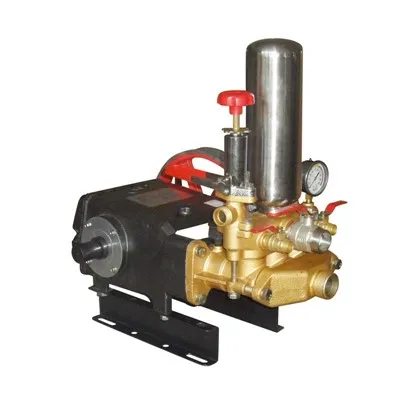
How to check the impeller of an agriculture water pump?
Leave a message

Hey there! As a supplier of agriculture water pumps, I know how crucial it is to keep your equipment in top - notch condition. One of the most important parts of an agriculture water pump is the impeller. In this blog, I'll walk you through how to check the impeller of an agriculture water pump.
Why Checking the Impeller is Important
Before we dive into the checking process, let's talk about why it's so important. The impeller is like the heart of the water pump. It's responsible for creating the centrifugal force that moves water through the pump. If the impeller is damaged or worn out, the pump won't work efficiently. This can lead to lower water flow, higher energy consumption, and even complete pump failure.
Tools You'll Need
First things first, gather the tools you'll need for the inspection. You'll need a set of wrenches, a flashlight, a caliper (for measuring), and a soft brush. Having these tools ready will make the process go much smoother.
Step 1: Safety First
Before you start working on the pump, make sure it's completely turned off and disconnected from the power source. This could be unplugging an electric pump or turning off the fuel supply for a petrol pump. You don't want any accidental starts while you're checking the impeller.
Step 2: Access the Impeller
The location of the impeller can vary depending on the type of pump. In most cases, you'll need to remove the pump cover. Use your wrenches to carefully loosen and remove the bolts holding the cover in place. Set the bolts aside in a safe place so you don't lose them. Once the cover is off, you should be able to see the impeller.
Step 3: Visual Inspection
Use your flashlight to get a good look at the impeller. Check for any obvious signs of damage, such as cracks, chips, or excessive wear. Cracks can form due to stress or impact, and chips can occur if there are foreign objects in the water. Excessive wear is often visible as a thinning of the impeller blades. If you see any of these issues, it's a sign that the impeller may need to be replaced.
Step 4: Check for Balance
A balanced impeller is essential for the smooth operation of the pump. To check the balance, try to rotate the impeller by hand. It should turn freely and smoothly without any wobbling or sticking. If you feel any resistance or notice that the impeller is off - center, it could be out of balance. An unbalanced impeller can cause vibrations, which can damage other parts of the pump over time.
Step 5: Measure the Impeller
Use your caliper to measure the key dimensions of the impeller, such as the diameter and the thickness of the blades. Compare these measurements with the manufacturer's specifications. If the measurements are significantly different, it could indicate wear or damage. For example, if the diameter is smaller than it should be, it may not be able to generate enough centrifugal force to move water effectively.
Step 6: Check for Corrosion
Agriculture water pumps are often exposed to water and chemicals, which can cause corrosion. Look for signs of rust or corrosion on the impeller. Corrosion can weaken the impeller and reduce its performance. If you find corrosion, you may be able to clean it off with a soft brush and a mild cleaning solution. However, if the corrosion is severe, the impeller may need to be replaced.
Step 7: Inspect the Shaft and Keyway
The impeller is usually attached to the pump shaft through a keyway. Check the shaft for any signs of damage, such as bending or scoring. Also, inspect the keyway to make sure it's in good condition. A damaged shaft or keyway can prevent the impeller from functioning properly.
Step 8: Reassemble the Pump
Once you've completed your inspection, it's time to reassemble the pump. If you found any issues with the impeller and replaced it, make sure to install the new impeller correctly. Follow the manufacturer's instructions for tightening the bolts on the pump cover. Make sure everything is properly aligned and tightened to prevent leaks.
Different Types of Agriculture Water Pumps
We offer a variety of agriculture water pumps, such as the Water Spray Pump for Agriculture, Agriculture Hand Spray Pump, and Agriculture Petrol Water Pump. Each type of pump may have slightly different impeller designs, but the basic inspection process remains the same.
Conclusion
Regularly checking the impeller of your agriculture water pump is a simple but effective way to ensure its long - term performance. By following these steps, you can catch any issues early and prevent costly breakdowns. If you have any questions about checking the impeller or need a replacement impeller, don't hesitate to reach out. We're here to help you keep your agriculture water pump running smoothly. Whether you're a small - scale farmer or a large - scale agricultural operation, having a reliable water pump is essential. So, take the time to check your impeller and keep your pump in great shape.


If you're interested in purchasing a new agriculture water pump or need replacement parts, feel free to contact us for a quote and to discuss your specific needs. We're always happy to assist you in finding the right solution for your agricultural water pumping requirements.
References
- "Agricultural Pump Handbook" - A comprehensive guide on various types of agricultural pumps and their maintenance.
- Manufacturer's manuals for different agriculture water pumps.