

What is the cost of an agriculture gasoline engine?
Leave a message

Hey there! As a supplier of Agriculture Gasoline Engines, I often get asked about the cost of these engines. It's a fair question, since the price can vary quite a bit depending on several factors. In this blog post, I'll break down the different aspects that influence the cost of an agriculture gasoline engine and give you a better idea of what to expect.

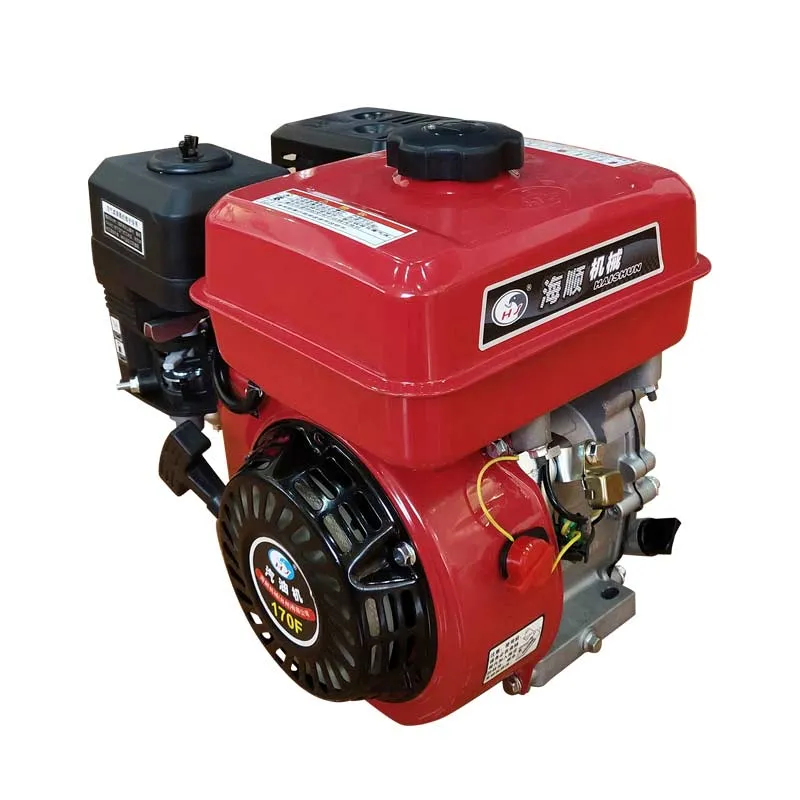
First off, let's talk about the power output. Engines with higher horsepower generally cost more than those with lower horsepower. For example, a 13hp Gasoline Engine is going to be pricier than a 5hp one. The reason is that more powerful engines require more advanced technology and better - quality materials to handle the increased stress and workload. They usually have larger cylinders, stronger pistons, and more robust cooling systems. All these features add to the manufacturing cost, which is then reflected in the price tag.
Another factor that affects the cost is the type of fuel system. A Gas Fuel Engine can have different fuel injection systems. Carbureted engines are generally cheaper. They work by mixing air and fuel in a carburetor before it enters the engine cylinders. However, they are not as fuel - efficient as fuel - injected engines. Fuel - injected engines, on the other hand, use electronic sensors to precisely control the amount of fuel injected into the cylinders. This results in better performance, lower emissions, and higher fuel efficiency. But because of the more complex technology involved, fuel - injected engines tend to be more expensive.
The starting mechanism of the engine also plays a role in determining the cost. There are engines with electric starters and those with hand - cranked starters. Hand Starting Gasoline Engine are usually less expensive. An electric starter adds to the cost because it requires a battery, a starter motor, and the associated wiring. However, an electric starter is much more convenient, especially for larger engines or when you need to start the engine frequently.
Build quality and brand reputation are also significant factors. Engines from well - known brands often cost more. These brands have a reputation to uphold, and they invest a lot in research and development, quality control, and customer service. They use high - quality materials and advanced manufacturing processes to ensure their engines are reliable and long - lasting. Cheaper, off - brand engines may seem like a good deal at first, but they might not perform as well in the long run and could end up costing you more in terms of maintenance and repairs.
Now, let's get into some ballpark figures. A small, low - horsepower, carbureted, hand - started agriculture gasoline engine can cost anywhere from a few hundred dollars. These are usually suitable for small - scale gardening or light - duty agricultural tasks like powering a small water pump or a handheld tiller.
Mid - range engines, say with 5 - 10 hp, that have a better fuel system and maybe an electric starter, can cost between $500 and $1500. These engines are great for medium - sized farms or for powering equipment like small tractors, generators, or larger water pumps.
High - horsepower engines, 15 hp and above, can cost upwards of $2000. These are used for heavy - duty agricultural tasks such as powering large tractors, combines, or industrial - scale irrigation systems.
It's also important to consider the long - term costs. When you're buying an agriculture gasoline engine, you're not just paying for the initial purchase price. You need to think about fuel costs, maintenance costs, and the cost of replacement parts. A more expensive engine might be more fuel - efficient, which can save you money on fuel in the long run. And a well - built engine may require less frequent maintenance and fewer replacement parts, which can also offset the higher initial cost.
For example, if you're using an engine for a high - usage application, like running a large irrigation system for several hours a day, a more fuel - efficient engine will pay for itself over time. Even though it might cost more upfront, the savings on fuel can be substantial.
When it comes to maintenance, regular oil changes, air filter replacements, and spark plug changes are essential for keeping your engine running smoothly. Some engines are designed to be more maintenance - friendly, with easy - to - access parts and clear maintenance instructions. This can save you both time and money on maintenance.
In addition to the engine itself, you might also need to factor in the cost of accessories. Things like mufflers, fuel tanks, and engine mounts can add to the overall cost. Some engines come with these accessories included, while others require you to purchase them separately.
If you're in the market for an agriculture gasoline engine, it's a good idea to do your research. Compare different models and brands, read customer reviews, and get quotes from multiple suppliers. This will help you make an informed decision and get the best value for your money.
As a supplier, I understand that finding the right engine at the right price is crucial for you. That's why we offer a wide range of agriculture gasoline engines to suit different budgets and needs. Whether you're a small - scale farmer or a large - scale agricultural business, we have an engine that's right for you.
If you're interested in learning more about our products or getting a quote, don't hesitate to reach out. We're here to help you find the perfect agriculture gasoline engine for your specific requirements. Let's start a conversation and see how we can meet your needs.
References
- General knowledge of the agriculture gasoline engine market
- Industry reports on engine manufacturing and pricing


