What is the fuel octane requirement for a 4 Stroke OHV Gasoline engine?
Leave a message

Hey there! As a supplier of 4 Stroke OHV Gasoline engines, I often get asked about the fuel octane requirement for these engines. So, I thought I'd share some insights to help you understand what octane rating means and what's best for your 4 Stroke OHV Gasoline engine.
First off, let's talk about what octane rating is. Octane rating is a measure of a fuel's ability to resist "knocking" or "pinging" during combustion. Knocking is that rattling sound you might hear from your engine when the air-fuel mixture in the cylinders detonates prematurely. This can cause a loss of power, increased fuel consumption, and even damage to your engine over time.
The most common octane ratings you'll see at the gas pump are 87 (regular), 89 (mid-grade), and 91 - 93 (premium). The higher the octane number, the more resistant the fuel is to knocking. But does that mean you should always use the highest octane fuel for your 4 Stroke OHV Gasoline engine? Not necessarily.
Most 4 Stroke OHV Gasoline engines are designed to run on regular unleaded gasoline with an octane rating of 87. These engines have a compression ratio that's optimized for this type of fuel. Using a higher octane fuel than recommended won't necessarily improve your engine's performance or fuel efficiency. In fact, it can be a waste of money since premium fuel usually costs more than regular fuel.
However, there are some situations where you might need to use a higher octane fuel. If your engine has a high compression ratio, it may require a higher octane fuel to prevent knocking. High-performance engines or engines that are modified for more power often have higher compression ratios and need premium fuel. Also, if you live at a high altitude, the air is thinner, which can affect the combustion process. In some cases, using a higher octane fuel can help your engine run more smoothly at high altitudes.
Another factor to consider is the quality of the fuel. Make sure you're using clean, fresh gasoline from a reputable source. Old or contaminated fuel can cause all sorts of problems for your engine, including knocking, poor performance, and hard starting.

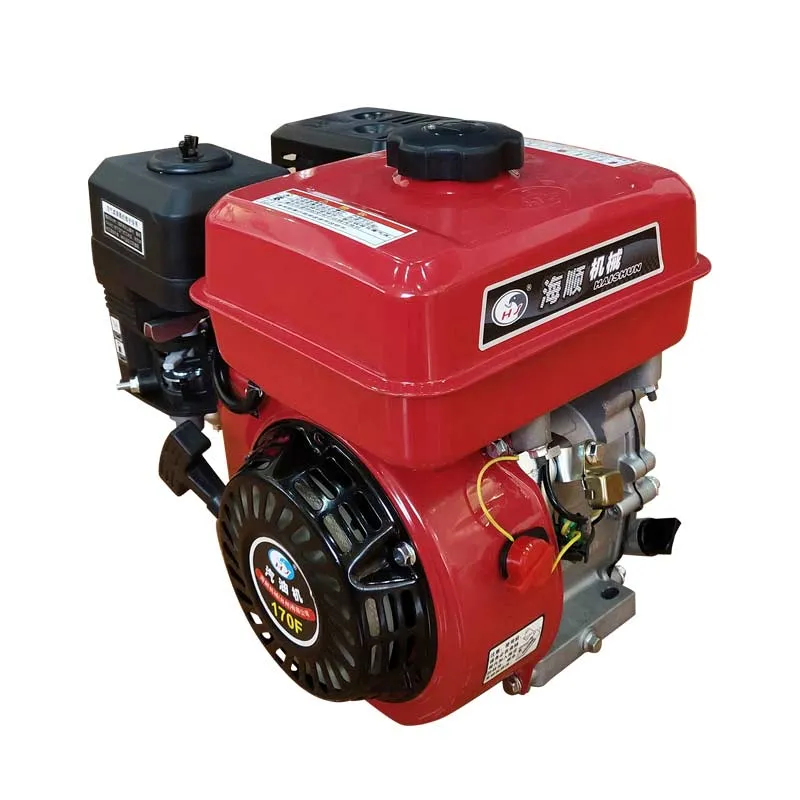
Now, let's take a look at some of the engines we offer as a 4 Stroke OHV Gasoline engine supplier. We have a great Gasoline Engine for Removing Dust that's perfect for industrial and commercial applications. This engine is designed to run on regular unleaded gasoline with an octane rating of 87, so you don't have to worry about using expensive premium fuel.
Our 13hp Gasoline Engine is another popular option. It's a powerful and reliable engine that's suitable for a variety of uses, from powering small equipment to running generators. Like most of our engines, it's designed to run on regular unleaded gasoline, making it cost-effective to operate.
We also have a range of Gas Fuel Engine models that are known for their efficiency and performance. These engines are built to last and are designed to run smoothly on the recommended octane fuel.
If you're still not sure what octane fuel to use for your 4 Stroke OHV Gasoline engine, the best thing to do is to check your engine's owner's manual. The manufacturer will provide specific recommendations for the octane rating and type of fuel to use. Following these recommendations will help ensure that your engine runs at its best and has a long service life.
In conclusion, most 4 Stroke OHV Gasoline engines are designed to run on regular unleaded gasoline with an octane rating of 87. Using a higher octane fuel than recommended is usually unnecessary and can be a waste of money. However, in some cases, such as high-compression engines or high-altitude operation, a higher octane fuel may be required.
If you're in the market for a 4 Stroke OHV Gasoline engine, we'd love to help you find the right one for your needs. Whether you're looking for an engine for dust removal, power generation, or any other application, we have a wide range of options to choose from. Don't hesitate to reach out to us for more information or to discuss your specific requirements. We're here to make sure you get the best engine for your money and that it runs smoothly for years to come.
References
- "Understanding Octane Ratings" - Automotive Engineering Handbook
- "Fuel Requirements for Small Gasoline Engines" - Small Engine Manufacturers Association