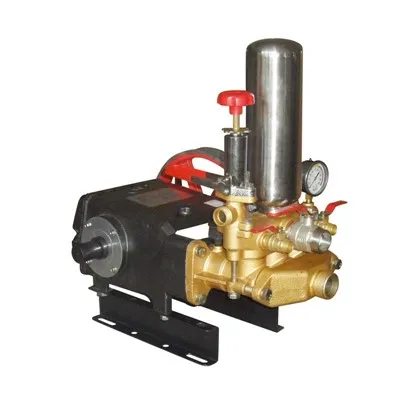
What is the magnetic field strength of water pump motors for farming?
Leave a message

As a supplier of Water Pump Motors For Farming, I've had numerous conversations with farmers, agricultural experts, and fellow industry players about the technical aspects of these motors. One question that often comes up is: What is the magnetic field strength of water pump motors for farming? In this blog post, I'll delve into this topic, exploring the significance of magnetic field strength, how it impacts the performance of farming water pumps, and what factors you should consider.
Understanding Magnetic Field Strength in Motors
Before we discuss the specific magnetic field strength of water pump motors for farming, let's first understand what magnetic field strength is and its role in electric motors. Magnetic field strength, often denoted as H, is a measure of the intensity of a magnetic field at a given point. In an electric motor, magnetic fields are created by the flow of electric current through coils of wire, typically made of copper. These magnetic fields interact with other magnetic fields in the motor, resulting in mechanical motion.
In a water pump motor, the magnetic field is crucial for converting electrical energy into mechanical energy. When an electric current passes through the motor's coils, it generates a magnetic field. This magnetic field then interacts with the magnetic field of the motor's permanent magnets or the magnetic field created by other coils, causing the motor's rotor to spin. The rotation of the rotor is then transferred to the pump's impeller, which moves water through the pump and into the irrigation system.


Importance of Magnetic Field Strength in Farming Water Pump Motors
The magnetic field strength of a water pump motor has a direct impact on its performance. A stronger magnetic field generally means more torque, which is the rotational force that causes the motor to spin. In the context of farming water pumps, higher torque is essential for several reasons:
- Efficient Water Movement: A motor with sufficient torque can drive the pump's impeller at the required speed to move water efficiently. This is especially important in large-scale farming operations where large volumes of water need to be pumped over long distances or to higher elevations.
- Overcoming Resistance: Farming water pumps often need to overcome various types of resistance, such as friction in the pipes, the weight of the water column, and the pressure required to distribute water evenly across the fields. A motor with a strong magnetic field can generate enough torque to overcome these resistances and maintain a consistent flow of water.
- Reliability and Durability: Motors with higher magnetic field strength are generally more reliable and durable. They can handle heavy loads and operate continuously for extended periods without overheating or experiencing mechanical failures. This is crucial in farming, where water pumps are often used for long hours during the growing season.
Factors Affecting Magnetic Field Strength in Farming Water Pump Motors
Several factors can affect the magnetic field strength of a water pump motor for farming:
- Coil Design: The design of the motor's coils, including the number of turns, the gauge of the wire, and the arrangement of the coils, can significantly impact the magnetic field strength. Motors with more turns of wire or thicker wire generally have stronger magnetic fields.
- Magnet Material: In motors that use permanent magnets, the type of magnet material can affect the magnetic field strength. Neodymium magnets, for example, are known for their high magnetic strength and are commonly used in high-performance water pump motors.
- Current Flow: The amount of electric current flowing through the motor's coils also affects the magnetic field strength. Higher current levels generally result in stronger magnetic fields, but this also increases the power consumption of the motor.
- Motor Size and Configuration: The size and configuration of the motor can also influence the magnetic field strength. Larger motors typically have more space for coils and magnets, allowing them to generate stronger magnetic fields. Additionally, certain motor configurations, such as three-phase motors, can produce more efficient and stronger magnetic fields compared to single-phase motors.
Determining the Appropriate Magnetic Field Strength for Farming Water Pumps
The appropriate magnetic field strength for a farming water pump motor depends on several factors, including the size of the farm, the type of irrigation system, the water source, and the required flow rate and pressure. Here are some general guidelines to help you determine the right magnetic field strength for your farming water pump:
- Assess Your Water Requirements: Start by determining the volume of water you need to pump per day and the pressure required to distribute the water evenly across your fields. This will help you choose a pump with the appropriate flow rate and head capacity.
- Consider the Pump's Efficiency: Look for pumps that are designed to be energy-efficient. A more efficient pump will require less power to move the same amount of water, which can reduce your energy costs in the long run.
- Evaluate the Motor's Torque Rating: The torque rating of the motor is a good indicator of its ability to drive the pump's impeller. Choose a motor with a torque rating that is sufficient to meet the demands of your irrigation system.
- Consult with a Professional: If you're unsure about the appropriate magnetic field strength for your farming water pump, consult with a professional irrigation specialist or a motor manufacturer. They can help you select the right pump and motor combination based on your specific needs and requirements.
Our Product Offerings
As a supplier of Water Pump Motor For Farming, we offer a wide range of high-quality motors designed specifically for agricultural applications. Our motors are engineered to provide optimal magnetic field strength, ensuring efficient water movement, reliable performance, and long-lasting durability.
We also offer Agriculture Water Pump solutions that are compatible with our motors, providing a complete irrigation system for your farm. Our pumps are available in various sizes and configurations to meet the diverse needs of farmers, from small family farms to large commercial operations.
In addition, we offer Double Impeller Pump options that are designed to provide higher flow rates and pressures, making them ideal for large-scale irrigation projects. Our double impeller pumps are equipped with powerful motors and advanced impeller designs to ensure efficient and reliable water pumping.
Conclusion
The magnetic field strength of water pump motors for farming plays a crucial role in their performance and efficiency. A stronger magnetic field generally means more torque, which is essential for efficient water movement, overcoming resistance, and ensuring the reliability and durability of the pump. When choosing a water pump motor for your farm, it's important to consider factors such as the size of the farm, the type of irrigation system, the water source, and the required flow rate and pressure.
As a supplier of Water Pump Motors For Farming, we are committed to providing our customers with high-quality products that meet their specific needs and requirements. If you're interested in learning more about our products or have any questions about magnetic field strength or water pump motors for farming, please don't hesitate to contact us. We'd be happy to assist you in finding the right solution for your farm.
References
- Chapman, Stephen J. Electric Machinery Fundamentals. McGraw-Hill Education, 2012.
- Fitzgerald, A. E., Kingsley, Charles, and Umans, Stephen D. Electric Machinery. McGraw-Hill Education, 2003.
- Krause, Paul C., Wasynczuk, Oleg, and Sudhoff, Scott D. Analysis of Electric Machinery and Drive Systems. Wiley-IEEE Press, 2013.