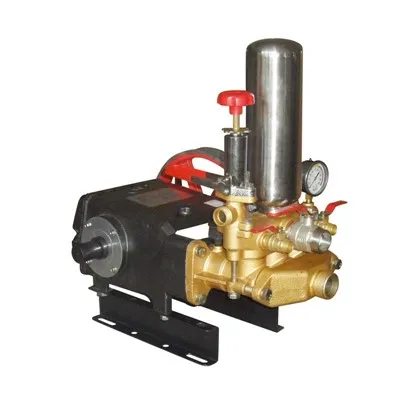
What modifications are needed for a double impeller pump to pump viscous fluids effectively?
Leave a message

Hey there! As a supplier of double impeller pumps, I've been getting a lot of questions lately about what modifications are needed for these pumps to effectively pump viscous fluids. Well, I'm here to break it down for you.
First off, let's talk about why pumping viscous fluids is different from pumping regular fluids. Viscosity is basically a measure of a fluid's resistance to flow. The higher the viscosity, the thicker the fluid, and the harder it is to move. Think of honey compared to water – honey is much more viscous, and it takes more effort to pour it.
When it comes to double impeller pumps, the standard design is usually optimized for pumping low - viscosity fluids like water. But when you're dealing with viscous fluids, you need to make some adjustments.
Impeller Design Modifications
One of the most crucial areas to modify is the impeller. The standard impellers in double impeller pumps are designed with relatively narrow passages. These work great for low - viscosity fluids because the fluid can easily flow through them. However, for viscous fluids, these narrow passages can cause a lot of resistance.
So, we need to increase the width of the impeller passages. This gives the viscous fluid more room to flow, reducing the resistance and allowing the pump to move the fluid more efficiently. We can also modify the blade shape. Instead of the typical sharp - edged blades used for low - viscosity fluids, we can use more rounded and curved blades. These rounded blades help to gently guide the viscous fluid through the impeller, minimizing turbulence and improving the pumping efficiency.


Motor Power Upgrade
Another important modification is upgrading the motor power. Viscous fluids require more energy to be pumped compared to low - viscosity fluids. The standard motor in a double impeller pump may not have enough power to handle the increased resistance of viscous fluids.
By increasing the motor power, we can ensure that the pump has enough force to move the thick fluid. A more powerful motor can maintain the required flow rate and pressure even when dealing with high - viscosity fluids. It's like trying to push a heavy object – you need more strength to move it, and the same principle applies to pumping viscous fluids.
Sealing and Lubrication
Sealing is also a big deal when pumping viscous fluids. Viscous fluids can be more likely to leak compared to low - viscosity fluids. The seals in a standard double impeller pump may not be able to handle the pressure and the stickiness of the viscous fluid.
We need to use high - quality seals that are specifically designed for viscous fluids. These seals are made of materials that can withstand the pressure and the chemical properties of the fluid. Additionally, proper lubrication is essential. Viscous fluids can cause more wear and tear on the pump components, so we need to use a lubricant that is compatible with the fluid. This lubricant helps to reduce friction and extend the lifespan of the pump.
Flow Control and Monitoring
When pumping viscous fluids, it's important to have better flow control and monitoring. Viscous fluids can cause the pump to operate differently compared to low - viscosity fluids. The flow rate and pressure may fluctuate more, and it's crucial to keep an eye on these parameters.
We can install flow meters and pressure sensors on the pump. These devices allow us to monitor the flow rate and pressure in real - time. Based on the readings, we can adjust the pump settings to ensure optimal performance. For example, if the pressure is too high, we can reduce the motor speed slightly to prevent damage to the pump.
Applications and Related Products
Now, let's talk about some of the applications where these modified double impeller pumps can be used. In the agricultural sector, there are various fluids with different viscosities that need to be pumped. For example, some fertilizers and pesticides have a relatively high viscosity. If you're looking for a pump for agricultural applications, you might be interested in our Agriculture Hand Spray Pump. It can be modified to handle viscous fluids effectively, ensuring that you can evenly distribute these substances on your crops.
For farm irrigation, sometimes you may need to pump water with suspended solids or additives that increase its viscosity. Our Water Pump for Farm Irrigation can be customized to handle such viscous fluids, providing a reliable water supply for your fields.
In industrial settings, dust removal often involves pumping fluids with different viscosities. Our Pump for Removing Dust can be modified to meet these requirements, ensuring efficient dust removal operations.
Conclusion
In conclusion, modifying a double impeller pump to pump viscous fluids effectively requires a combination of impeller design changes, motor power upgrades, proper sealing and lubrication, and better flow control and monitoring. These modifications can significantly improve the pump's performance when dealing with high - viscosity fluids.
If you're in need of a double impeller pump for pumping viscous fluids, or if you have an existing pump that needs modification, don't hesitate to reach out. We're here to help you find the best solution for your specific needs. Whether it's for agricultural, industrial, or other applications, we have the expertise to customize our pumps to meet your requirements. Contact us for a detailed discussion and let's start the procurement process together.
References
- "Pump Handbook" by Igor Karassik et al.
- "Fluid Mechanics" by Frank White.