How do I store a 16hp Gasoline Engine for a long time?
Leave a message

As a supplier of 16hp gasoline engines, I often get asked about the best practices for long - term storage of these powerful machines. Proper storage is crucial to ensure that the engine remains in good working condition and is ready to perform when needed. In this blog, I'll share some in - depth knowledge and practical tips on how to store a 16hp gasoline engine for an extended period.
1. Preparation Before Storage
Clean the Engine
Before storing the engine, it's essential to give it a thorough cleaning. Use a mild detergent and a soft brush to remove dirt, grease, and debris from the engine's exterior. Pay special attention to the cooling fins, as any blockage can affect the engine's performance when it's restarted. A clean engine is less likely to develop rust and corrosion during storage.
Drain the Fuel System
Gasoline can break down over time, forming varnish and gum deposits that can clog the fuel system. To prevent this, drain the fuel tank completely. You can run the engine until it runs out of fuel or use a siphon to remove the fuel. Additionally, remove the carburetor and drain any remaining fuel from it. This step is vital to avoid damage to the fuel pump, carburetor, and fuel lines.
Change the Oil
Old oil can contain contaminants that can cause wear and tear on the engine's internal components. Drain the old oil and replace it with fresh oil. This will protect the engine's moving parts from corrosion and ensure smooth operation when the engine is started again. Refer to the engine's manual for the correct type and amount of oil to use.
Inspect and Replace Filters
The air filter, fuel filter, and oil filter play a crucial role in keeping the engine clean and running efficiently. Inspect these filters and replace them if they are dirty or damaged. A clean filter will prevent dirt and debris from entering the engine, reducing the risk of damage during storage and future operation.
2. Storage Environment
Choose a Dry and Cool Location
The storage location should be dry and cool to prevent rust and corrosion. Avoid storing the engine in areas prone to flooding or high humidity, such as basements or garages without proper ventilation. A temperature - controlled storage unit or a well - ventilated shed is an ideal choice.
Protect from Dust and Debris
Cover the engine with a breathable, waterproof cover to protect it from dust, dirt, and debris. This will prevent foreign particles from entering the engine and causing damage. You can find covers specifically designed for gasoline engines at most hardware stores.
Elevate the Engine
To prevent moisture from accumulating under the engine, elevate it off the ground using blocks or a stand. This will also make it easier to access the engine for maintenance and inspection.
3. Additional Precautions
Fog the Cylinders
Fogging the cylinders is an important step to protect the internal components from corrosion. Remove the spark plug and spray a light coat of fogging oil into the cylinder. Then, turn the engine over a few times to distribute the oil evenly. This will create a protective barrier on the cylinder walls and piston rings.
Lubricate Moving Parts
Apply a light coat of lubricant to all moving parts, such as the throttle linkage, choke, and starter motor. This will prevent these parts from seizing up during storage.
Disconnect the Battery
If the engine is equipped with a battery, disconnect it to prevent it from discharging and potentially causing damage to the electrical system. Store the battery in a cool, dry place and charge it periodically to maintain its charge.
4. Regular Inspection and Maintenance During Storage
Check Periodically
Even during storage, it's important to check the engine periodically. Inspect the engine for signs of rust, corrosion, or damage. Check the oil level, fuel system, and battery to ensure they are in good condition.
Start the Engine Occasionally
If possible, start the engine every few months and let it run for a few minutes. This will help keep the internal components lubricated and prevent them from sticking. However, make sure to follow the proper starting procedures and let the engine warm up before shutting it off.
5. Recommissioning the Engine
Reassemble and Refill
Before starting the engine after long - term storage, reassemble any parts that were removed during the storage process, such as the carburetor and filters. Refill the fuel tank with fresh gasoline and the oil pan with fresh oil.
Check the Spark Plug
Inspect the spark plug for signs of wear or damage. Replace the spark plug if necessary. A good spark plug is essential for proper ignition and engine performance.
Prime the Fuel System
Prime the fuel system to ensure that fuel reaches the engine. This may involve using a primer bulb or a fuel pump to fill the carburetor with fuel.
Start the Engine
Follow the engine's starting procedures carefully. Once the engine starts, let it run for a few minutes to warm up and ensure that it is running smoothly. Check for any leaks or unusual noises.
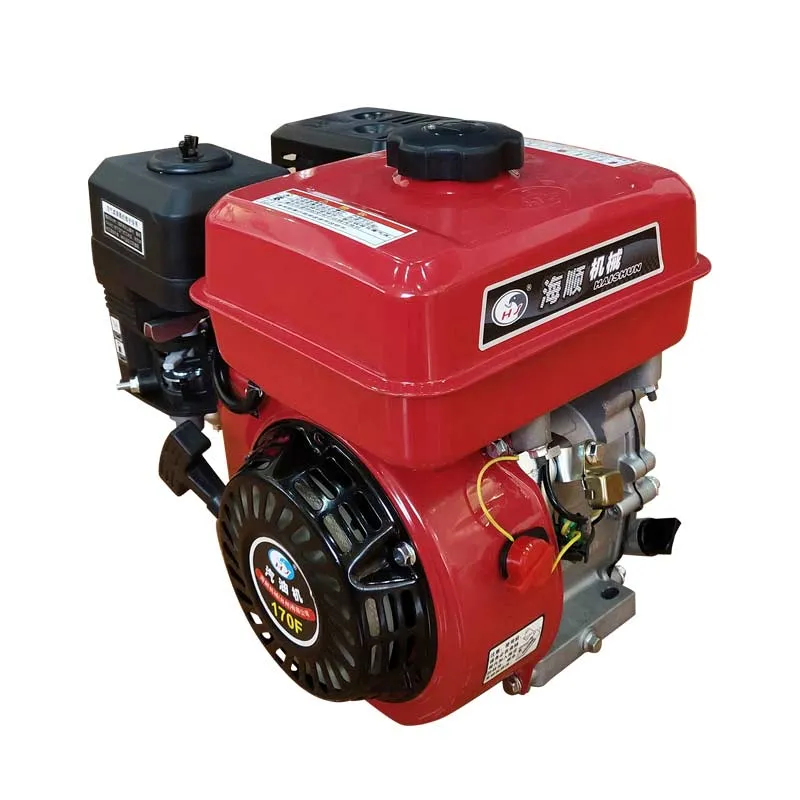
As a supplier of 16hp gasoline engines, I understand the importance of proper storage and maintenance. Our Gasoline Engine for Removing Dust and Gas Fuel Engine models are designed to provide reliable performance, but proper care is still essential. Our Air - cooled Gasoline engines are also built to last, and following these storage tips will help you get the most out of your investment.
If you're interested in purchasing a 16hp gasoline engine or have any questions about engine storage and maintenance, please feel free to contact us. We're here to provide you with the best products and support to meet your needs.

References
- Briggs & Stratton. (2023). Engine Storage Guide.
- Honda Power Equipment. (2023). Long - Term Storage Tips for Gasoline Engines.
- Yamaha Motor Corporation. (2023). Maintenance and Storage of Gasoline Engines.