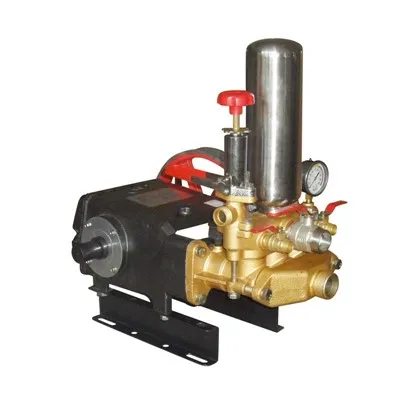
What are the common problems of a Brass Power Sprayer Pump?
Leave a message

As a supplier of Brass Power Sprayer Pumps, I've encountered a wide array of issues that customers often face with these essential agricultural tools. Understanding these common problems is crucial for both users and suppliers to ensure the efficient and long - lasting operation of the pumps.
1. Leakage Issues
One of the most prevalent problems with Brass Power Sprayer Pumps is leakage. Leakage can occur in several parts of the pump, including the seals, gaskets, and connections.
Seal and Gasket Wear
Seals and gaskets are vital components that prevent fluid from escaping the pump. Over time, due to continuous use and exposure to various chemicals in the sprayed solutions, these seals and gaskets can wear out. For example, in an agricultural setting where pesticides and fertilizers are frequently sprayed, the corrosive nature of these chemicals can accelerate the deterioration of the seals. Once the seals are worn, fluid starts to leak from the pump, reducing its efficiency and potentially causing damage to other components.
Loose Connections
Another source of leakage is loose connections. The pump has multiple connections for hoses, nozzles, and other accessories. If these connections are not tightened properly during installation or become loose during operation, it can lead to significant leakage. Vibration from the pump's operation can gradually loosen the connections, especially if they are not secured with the appropriate locking mechanisms.
2. Low Pressure Output
A common complaint from users is low pressure output from the Brass Power Sprayer Pump. This can severely limit the pump's effectiveness in spraying over large areas or at a sufficient distance.
Clogged Nozzles
Nozzles are responsible for dispersing the sprayed fluid in a fine mist or stream. When nozzles become clogged, usually due to debris in the sprayed solution or mineral deposits from hard water, the flow of fluid is restricted. This restriction causes a drop in pressure, as the pump has to work harder to force the fluid through the narrow opening. For instance, in areas with high sediment content in the water source, the nozzles can quickly become blocked, reducing the pressure and the quality of the spray.
Pump Cavitation
Cavitation is a phenomenon that occurs when the pressure inside the pump drops below the vapor pressure of the fluid. This causes the formation of vapor bubbles in the fluid, which then collapse when they reach higher - pressure areas. The collapse of these bubbles can cause damage to the pump's impeller and other internal components, leading to a decrease in pressure output. Cavitation can be caused by factors such as a clogged inlet filter, a damaged impeller, or an improper suction lift.
3. Noise and Vibration
Excessive noise and vibration during the operation of a Brass Power Sprayer Pump can be both annoying and a sign of underlying problems.


Unbalanced Impeller
The impeller is a key component of the pump that rotates to create the pressure needed to move the fluid. If the impeller is unbalanced, it can cause the pump to vibrate excessively. This imbalance can be due to manufacturing defects, wear and tear, or damage to the impeller. The vibration not only makes the pump noisy but can also lead to premature wear of other components and even structural damage to the pump over time.
Loose Mounting
If the pump is not properly mounted, it can vibrate and produce a lot of noise. Loose mounting bolts or an unstable base can cause the pump to move during operation, increasing the vibration levels. This can also affect the alignment of the pump's internal components, further reducing its efficiency and potentially causing damage.
4. Motor Problems
Since many Brass Power Sprayer Pumps are powered by electric or gasoline motors, motor - related issues are also common.
Overheating
Motors can overheat due to various reasons. Continuous operation for long periods without sufficient cooling can cause the motor to heat up. Additionally, a dirty or blocked cooling system, such as a clogged air filter in a gasoline - powered motor or a malfunctioning cooling fan in an electric motor, can prevent proper heat dissipation. Overheating can damage the motor's windings and other internal components, leading to motor failure.
Electrical Faults
In electric - powered pumps, electrical faults are a frequent problem. Loose wiring connections, damaged insulation, or a faulty capacitor can disrupt the flow of electricity to the motor, causing it to malfunction or not start at all. These electrical issues can be difficult to diagnose and repair, especially for users without electrical expertise.
5. Corrosion
Brass is generally a corrosion - resistant material, but in certain environments, it can still be susceptible to corrosion.
Chemical Exposure
As mentioned earlier, the chemicals used in agricultural spraying, such as pesticides and fertilizers, can be corrosive. Prolonged exposure to these chemicals can cause the brass surface to corrode, leading to pitting, cracking, and a reduction in the pump's structural integrity. In addition, if the pump is not properly cleaned after use, residues of these chemicals can remain on the brass surface and accelerate the corrosion process.
Moisture and Humidity
High levels of moisture and humidity in the storage environment can also contribute to corrosion. If the pump is stored in a damp place without proper protection, the brass can develop a layer of rust over time. This corrosion can affect the pump's performance and reduce its lifespan.
Solutions and Preventive Measures
To address these common problems, several solutions and preventive measures can be taken.
Regular Maintenance
Regular maintenance is the key to preventing many of these issues. This includes cleaning the pump after each use to remove any debris, chemicals, or mineral deposits. Inspecting and replacing worn seals, gaskets, and nozzles at regular intervals can help prevent leakage and clogging. Tightening all connections and checking the alignment of internal components during maintenance can also ensure optimal performance.
Proper Installation
Proper installation is crucial for the pump's smooth operation. All connections should be tightened correctly, and the pump should be mounted securely on a stable base. Following the manufacturer's installation instructions carefully can help avoid many problems, such as leakage, vibration, and low - pressure output.
Using High - Quality Components
Using high - quality nozzles, filters, and other accessories can significantly reduce the risk of clogging and other issues. High - quality components are more resistant to wear and corrosion, ensuring better performance and a longer lifespan for the pump.
Conclusion
In conclusion, while Brass Power Sprayer Pumps are reliable and widely used in the agricultural industry, they are not without their problems. Leakage, low pressure output, noise and vibration, motor problems, and corrosion are some of the common issues that users may encounter. By understanding these problems and taking appropriate preventive measures, users can ensure the efficient and long - lasting operation of their pumps.
If you are facing any of these problems with your Brass Power Sprayer Pump or are interested in purchasing a high - quality pump, we are here to help. We offer a wide range of Portable Agriculture Power Sprayer, High - pressure Crop Duster, and Portable Power Sprayer For Agriculture that are designed to meet your specific needs. Contact us to discuss your requirements and start a procurement negotiation today.
References
- "Agricultural Sprayer Pumps: Operation and Maintenance" - Agricultural Engineering Handbook
- "Corrosion Prevention in Brass Components" - Journal of Materials Science
- "Pump Troubleshooting Guide" - Manufacturer's Manuals for Brass Power Sprayer Pumps