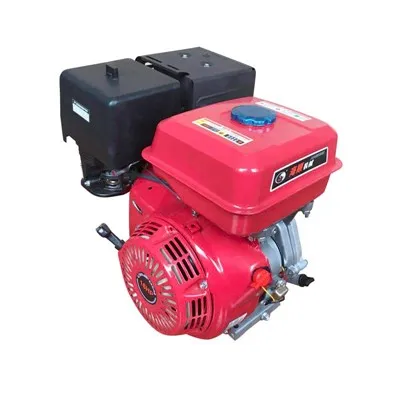

Agriculture Gasoline Engine
In modern agriculture, agriculture gasoline engines play a crucial role in powering a wide array of equipment, from tractors and harvesters to irrigation pumps and generators. The versatility, reliability, and efficiency of gasoline engines contribute significantly to the productivity and success of agricultural operations.
Description
Haishun Machinery Co. , Ltd. is located in economy, traffic convenient Taizhou (The sprayer capital of China), Zhejiang, China. we specialize in the research and development, producing and manufacturing of power sprayer, plunger pump, knapsack power sprayer and pressure washing machine. The products sell well in the domestic market, and find a good sale in more than 30 countries and regions, such as Southeast Asia, The middle-east, Africa, Europe and America etc., we receive good evaluation from the users. The company established in 2005, adopts advanced technology, scientific office procedure, and has developed into research and development, manufacture, sell to integrative modernized enterprises already now.
Leading Service
We are committed to constantly innovating our products to provide foreign customers with a large number of high-quality products to exceed customer satisfaction. We can also provide customized services according to customers' requirements such as size,color,appearance,etc.We can provide the most favorable price and high-quality products.
Quality Guaranteed
We have been continuously researching and innovating to meet the needs of different customers. At the same time, we always adhere to strict quality control to ensure that the quality of every product meets international standards.
Wide Sales Countries
We focus on sales in overseas markets. Our products are exported to Europe, America,Southeast Asia,the Middle East and other regions, and are well received by customers around the world.
Various Types of Products
Our products include all kinds of gasoline engines,gasoline water pumps,and agricultural power sprayers.
Our Related Products
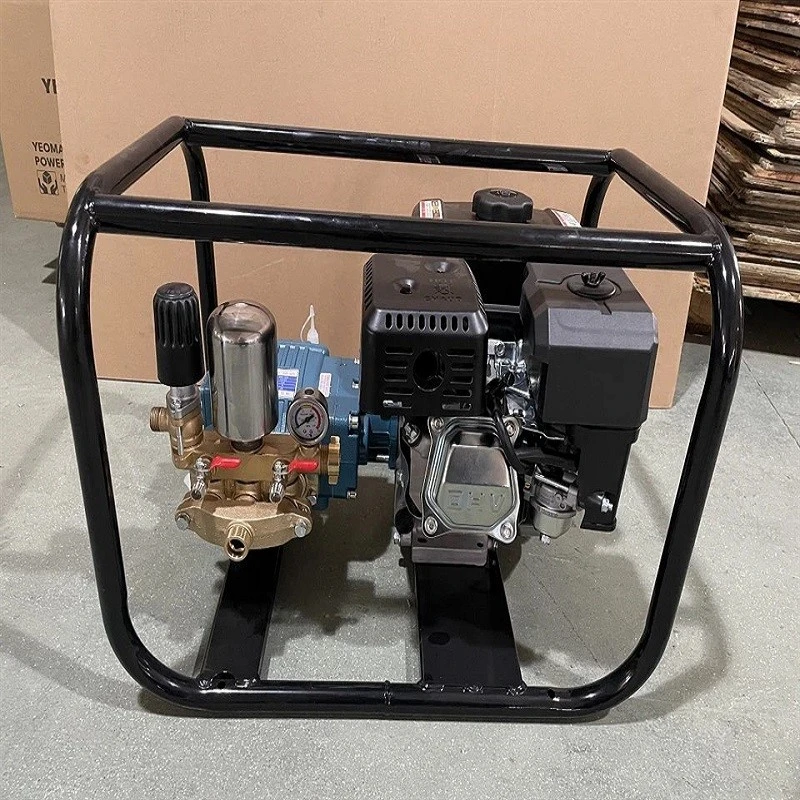
Metal Agricultural Spraying Pump
Metal agricultural spraying pumps, also known as crop sprayers, are essential tools in modern agriculture. They are used to spray liquids such as pesticides, herbicides, and fertilizers on crops to protect them from pests and diseases and to promote their growth.
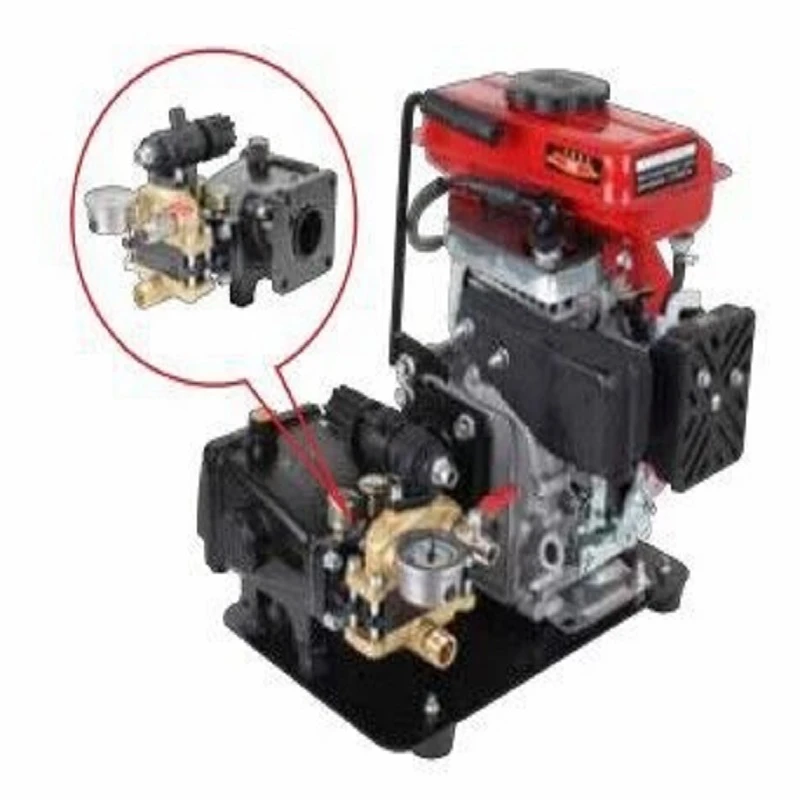
Portable Agriculture Power Sprayer
An portable agricultural power sprayer is the equipment used for applying liquid substances to plants or crops. These substances could be fertilizers, herbicides, or pesticides–all of which are important for the maintenance of crop health during the crop growth cycle.

Single Cylinder Gasoline Engine
A single-cylinder engine is a basic piston engine configuration of an internal combustion engine. It is often seen on motorcycles, auto rickshaws, motor scooters, mopeds, dirt bikes, go-karts, radio-controlled models, and has many uses in portable tools and garden machinery.

Agriculture Water Pump is designed to connect to tractors and use the power from the driveshaft to move water. They serve as an easy and convenient pumping solution for agricultural professionals with existing tractor equipment or power sources.

A double impeller pump, often referred to as a two-stage pump, is a type of centrifugal pump that features two impellers arranged in series. These pumps are designed to provide higher pressure and enhanced efficiency compared to single impeller pumps, making them ideal for various applications, including water supply systems, irrigation, and industrial processes.

Air Cooled Engine uses natural air as its primary cooling agent. The process of cooling using natural air includes surrounding the outer part of the engine cylinder with fins. These fins create channels or passageways for air that may help in the dispersion of heat energy that is being generated. The fins also augment the surface area of the outer part of the cylinder, making the process of heat dispersion rapidly.
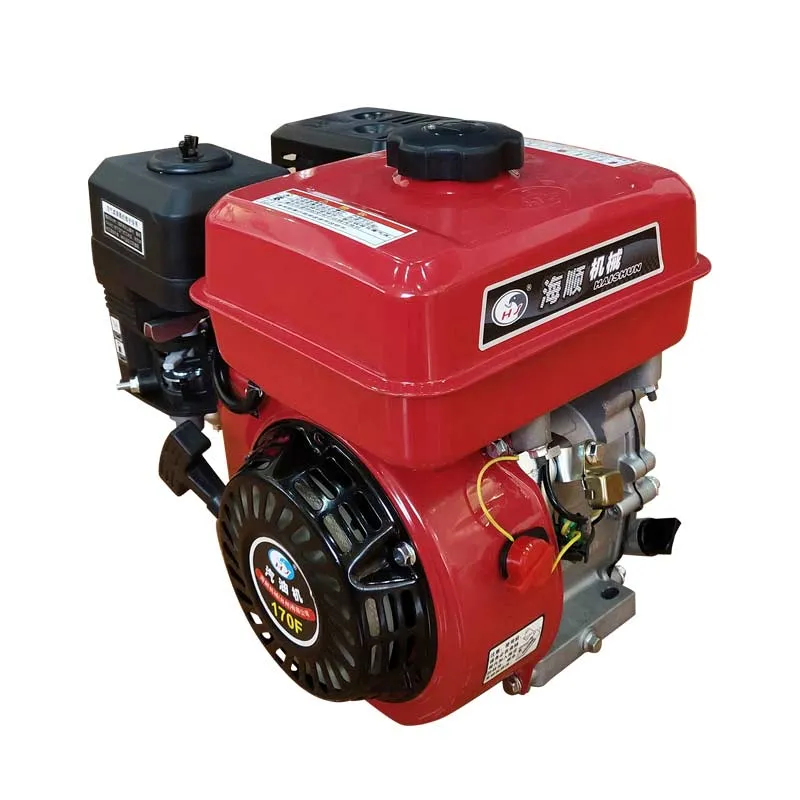
Model: HS-170F(7.5HP)
Engine Type: Air-cooled 4 stroke OHV single cylinder
Starting System: Recoil hand starting
Air Cleaner: Semi-dry; Oil bath; Dual

Model: HS-170F-H(7.5HP)
Engine Type: Air-cooled 4 stroke OHV single cylinder
Starting System: Recoil hand starting
Air Cleaner: Semi-dry; Oil bath; Dual

Model: HS-188F(16HP)
Engine Type: Air-cooled 4 stroke OHV single cylinder
Starting System: Recoil hand starting
Air Cleaner: Semi-dry; Oil bath; Dual
In modern agriculture, agriculture gasoline engines play a crucial role in powering a wide array of equipment, from tractors and harvesters to irrigation pumps and generators. The versatility, reliability, and efficiency of gasoline engines contribute significantly to the productivity and success of agricultural operations.
Benefits of Agriculture Gasoline Engine
Mitigation of Drought Impacts
Drought is a major threat to agriculture, often leading to significant crop losses and economic hardship for farmers. Most irrigation systems use a agriculture gasoline engine to serve as a critical tool in drought mitigation by providing a dependable water source when natural rainfall is insufficient. By maintaining soil moisture levels, irrigation water pumps help to protect crops from the adverse effects of drought, ensuring more stable food production and income for farmers.
Improved Soil Management
Agriculture gasoline engine helps maintain optimal soil moisture levels, which is essential for soil health. Properly managed irrigation prevents soil erosion, reduces salt buildup, protects the water supply, and maintains soil structure, promoting better root development and nutrient uptake by plants. Using a submersible pump (including any other centrifugal pump type, including self priming centrifugal style with flexible impeller) in a pond enables farmers to move gallons of water to sprinklers via a piping system for quality yields. This results in more robust and healthy crops, as well as improved long-term soil fertility.
Economic Benefits
Investing in agriculture gasoline engines (such as a submersible pump) can fuel significant economic returns for farmers. Higher crop yields and extended growing seasons can fuel increased farm income. Additionally, efficient water management reduces water-related costs. In some cases, the use of water pumps attached to irrigation pipelines (with a booster pump if necessary) can also lead to the cultivation of higher-value crops, further enhancing profitability. Over time, the initial investment in irrigation equipment infrastructure – including the installation of booster pumps, suction lines and drip irrigation systems that move gallons of liquid daily – is often outweighed by these economic benefits.
Environmental Sustainability
Agriculture gasoline engines, when used in conjunction with efficient irrigation practices, contribute to environmental sustainability. By optimizing water use and reducing waste, these reliable pump systems help to conserve water resources such as lakes, ponds and streams and protect natural ecosystems and drinking water.
Provide the power
They provide the power necessary for heavy-duty operations such as plowing, harvesting, and seeding. This power is essential for efficient and effective farm operations. Without it, many operations would be impossible or take too long to be practical.
Improve the efficiency
In addition to providing power, agriculture gasoline engines also improve the efficiency of agricultural machinery. This is because engines are designed to produce the most power from their size and weight. This means that they can produce more power while using less fuel and thus reducing the costs associated with agricultural production.
Improve the safety
Agriculture gasoline engines also improve the safety of agricultural machinery. This is because engines are designed to reduce the risk of accidents and injuries. This is done by providing more control over the operation of the machinery, as well as by reducing the amount of force that needs to be applied to operate it. Engines also improve the performance of agricultural machinery. This is because engines are designed to be able to operate in a variety of conditions and terrain. This means that the machinery can be used in a variety of environments, allowing for more efficient farming operations.
2-Stroke Engines
2-stroke engines are not lubricated by a reservoir in the crankcase; they rely on oil mixed with the gasoline to lubricate the engine components. Much of this oil is not burned by the engine and is expelled with the exhaust gas, thus increasing emissions and smoke.
The power:weight ratio of 2-stroke engines is higher than most 4-stroke engines, thus the preponderance of 2-stroke engines in hand-carried applications such as blowers and string trimmers.
Typically, 2-stroke engines rev up to higher speeds than 4-stroke engines, and this accounts for much of the higher power per pound. Also, small 2-stroke engines use intake and exhaust ports instead of valves, thus saving the weight and cost of a valve train. Spark plug fouling is more common on 2-stroke engines because of the oil in the fuel, thus more frequent spark plug changes may be needed.
The fact that 2-stroke engines are lubricated by oil in the gasoline and do not have a crankcase makes them more amenable to operation at different angles.
4-Stroke Engines
4-stroke engines are lubricated by oil in the crankcase, thus oil is not mixed with the gasoline. On small engines, such as those used on lawnmowers, a tab on the bottom of the piston rod splashes oil up into the cylinder; on larger engines, such as those used on garden tractors, an oil pump distributes the oil under pressure and through an oil filter.
Four-stroke engines must usually be kept level to provide proper lubrication, thus they often are not suited to use on some hand-held tools.
Applications of Agriculture Gasoline Engine
Irrigation
Agriculture gasoline engines are the heart of irrigation systems. Farmers and ranch owners do not have a choice about the source of water their land naturally provides. Because of this, water pumps are essential for a thriving environment.
With agriculture gasoline engines, farmers can supply the proper amount of water to their crops in every area of their land with ease. Water amount, temperature, and pressure are just some of the key things that can influence a successful crop. In today's agriculture, the water pump system requires various factors for successful irrigation. This includes components such as diverse speed drives, intelligent control, and remote management.
Livestock Water Transfer
Livestock will drink water when they need it, which means farmers need to supply drinkable water to them at all times of the day. If the animals are left thirsty, the farmers suffer the consequences of having unhealthy livestock. Agriculture gasoline engines provide farmers with a dependable and cost-effective means of providing clean drinking water for their animals. Each livestock animal consumes a different amount of water each day, and water pumps help relieve the fear of skyrocketing the water bill.
In addition to drinking water, animals need water to bathe in. Agriculture gasoline engines allow farmers to clean their animals with ease and in a timely manner. This is especially important for those to have a large amount of land and animals to take care of.
Domestic Water Supply
Having clean, reliable water in the home is critical when living anywhere. Having stable access to clean water is a critical concern when living in a rural area. Aside from crops and animals, rural homeowners need access to clean water for drinking, bathing, cleaning, and much more for themselves. If the water supply that is naturally provided is inadequate or not safe to use, a water pump is needed. Water pumps can help ensure that clean water is delivered to home plumbing systems. Families are constantly using water throughout the day at different pressures. With water pumps, they can always have a reserve available for each unique use.
What to Consider When Choosing Agriculture Gasoline Engine
Size Matters
When it comes to agriculture gasoline engine selection, size matters. It is essential to consider the size of your vehicle, its weight, and the intended use. For instance, a small car will require a smaller engine, whereas a truck that needs to haul heavy loads on a frequent basis will require a larger engine. It is crucial to strike a balance between power and efficiency, as a smaller engine may consume less fuel but may not offer the required power, while a bigger engine may devour more fuel than necessary.
Fuel Efficiency
Fuel efficiency is a crucial factor to consider when selecting an agriculture gasoline engine. Gasoline prices are continuously on the rise, and fuel efficiency is becoming a top priority for car owners. Diesel engines are generally more efficient than petrol engines. However, they may prove to be more expensive, and maintenance can be challenging. On the other hand, hybrid engines offer the best of both worlds as they combine the efficiency of electric engines with the power and range of conventional engines.
Torque and Power
Torque and power are two different yet essential factors to consider when selecting an engine. Whether it's for a car, or a custom tractor machine. Torque refers to the force that the engine produces to turn the wheels, whereas power is the ability of the engine to keep the vehicle moving at high speeds. It is crucial to strike a balance between torque and power when selecting an engine. For instance, an engine that produces too much torque but is not adequately powered may result in sluggish performance, whereas an engine that is powered but lacks torque may require frequent gear shifting and may prove to be less fuel-efficient.
Reliability
Reliability is another essential factor to consider when making your engine selection. Engines that have a reputation for reliability and durability can save you a lot of money in the long run in terms of maintenance and repair costs. Researching the engine manufacturer's reputation, reading reviews, and assessing their warranty and customer support policies can help you gauge the engine's reliability.
FAQ
Q: What are the basics of the gasoline engine?
Q: What else can a gasoline engine run on?
Q: What is the theory of the gasoline engine?
The engine consists of a fixed cylinder and a moving piston. The expanding combustion gases push the piston, which in turn rotates the crankshaft. Ultimately, through a system of gears in the powertrain, this motion drives the vehicle's wheels.
Q: What 3 things does a gas engine need to run?
Q: What are the 4 stages of a gas engine?
Step 1: The Intake Stroke.
Step 2: The Compression Stroke.
Step 3: The Power Stroke.
Step 4: The Exhaust Stroke.
Q: What are the two types of gasoline engines?
Q: What do gas engines run on?
Q: What happens to gasoline after 20 years?
Q: Can you fill your gas tank while the car is running?
Q: What does stroke mean in an engine?
Q: What are four strokes in an engine?
Q: What is the function of a gasoline engine?
Q: What is the torque in an engine?
Hot Tags: agriculture gasoline engine, China agriculture gasoline engine manufacturers, Hand Starting Gasoline Engine, Agriculture Power Sprayer, Metal Agricultural Spraying Pump, Power Ceramic Sprayer, Steel Agricultural Sprayer Pump, Water Pump Motor For Farming
Send Inquiry
You Might Also Like