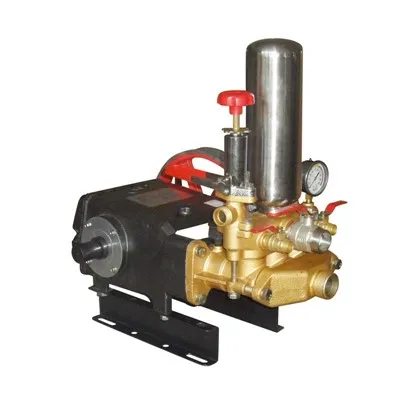
How does a piston pump work?
Leave a message
1) It is composed of a piston pump with an integrated low-pressure gear oil transfer pump, 3 high-pressure pump oil components with oil pump plungers and an oil quantity control valve.
2) Working principle The fuel transfer pump pumps the fuel from the tank, passes through a filter with separate oil and water, passes through the inlet pipe and then enters the high-pressure pump. The fuel transfer pump passes the fuel through the saving hole of the pressure relief valve and then into the lubrication and cooling circuit of the high-pressure pump. The camshaft causes the plungers of the three pumps to move up and down according to the shape of the cam.
3) The oil pressure of the oil supply exceeds the opening pressure of the pressure relief valve, and the oil pump can make the fuel enter the plunger cavity through the oil inlet valve of the high-pressure pump, and the plunger of the high-pressure pump is moving downward (oil suction stroke), and when the plunger passes the bottom dead center, the oil inlet valve is closed. In this way, the fuel in the plunger cavity will not leak and will be compressed by the oil pressure higher than the supply pressure.
4) The addition of oil pressure makes the oil outlet valve open, and when the common rail pressure is reached, the tightened fuel enters the high-pressure cycle (oil circuit). The plunger continues to supply fuel until it reaches the top dead center (fuel supply stroke), after which the pressure decreases, causing the outlet valve to close, and the fuel pressure still in the plunger cavity drops, and the plunger (pump plug) moves downward. As long as the pressure in the plunger cavity drops below the supply pressure of the oil supply pump, the oil inlet valve opens again, and the oil pumping process begins.