How piston pumps work
Leave a message
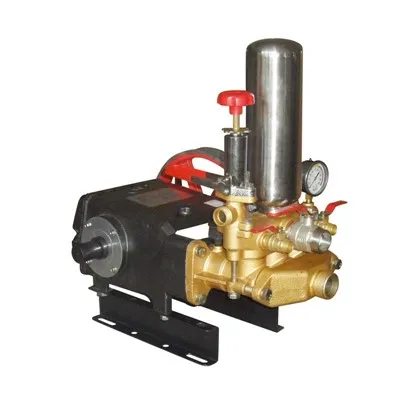
The piston pump is an important piece of equipment in the hydraulic system. It relies on the plunger to reciprocate in the cylinder block, so that the volume of the sealing operation cavity changes to complete oil absorption and oil pressure. Piston pumps are widely used in high-pressure, high-flow and flow-demand conditioning applications such as hydraulic presses, construction machinery and ships due to their advantages of high pressure, compact construction, high efficiency and convenient flow conditioning.
The oil research piston pump is a reciprocating pump, which is attributed to the volume pump, and its plunger is driven by the eccentricity of the pump shaft, and the reciprocating motion is reciprocating, and its suction and discharge valves are one-way valves. When the plunger is pulled out, the pressure in the operation chamber drops, the outlet valve is closed, when it is lower than the inlet pressure, the inlet valve is opened, and the liquid enters; when the plunger is pushed inward, the pressure in the operating chamber rises, the inlet valve is closed, and when the pressure is higher than the outlet, the outlet valve is opened and the liquid is discharged.
The axial piston pump with sliding shoe structure is the most widely used axial piston pump at present, the plunger placed in the cylinder block touches the swash plate through the sliding shoe, when the transmission shaft drives the cylinder to rotate, the swash plate pulls the plunger out or pushes back from the cylinder block, and completes the process of suction and drainage. The oil in the operating chamber composed of the plunger and the cylinder bore is separated from the suction and discharge chambers of the pump through the oil distribution plate. The variable mechanism is used to change the inclination angle of the swash plate, and the displacement of the pump can be changed by adjusting the inclination angle of the swash plate.
The operating principle of the piston pump will be introduced to us for the time being.